

Is Olympia, WA a Good Place to Live in 2026?
Olympia WA Living, Cost Of Living Olympia, Olympia Community Review, Best Neighborhoods Olympia
Is Olympia, WA a Good Place to Live? An Honest 2026 Local Review
Thinking about moving to Washington’s capital and wondering if Olympia is really a good place to live? This honest Olympia community review walks through daily life, cost of living, and the best neighborhoods in Olympia so you can decide whether Olympia WA living fits your lifestyle and budget in 2026.
Olympia WA Living: What Day-to-Day Life Feels Like
Olympia is a small city of roughly 57,000 people, but it punches above its weight in culture and civic life. As the state capital, government jobs anchor the local economy, which gives the city a stable, slow-and-steady feel rather than boom-and-bust swings. If you’re picturing Olympia WA living, think walkable streets, a creative downtown, and quick access to evergreen forests and saltwater inlets instead of skyscrapers and traffic jams.
Downtown Olympia centers around historic brick buildings, independent coffee shops, bookstores, and small theaters. The Olympia Farmers Market and Percival Landing boardwalk give weekends a distinctly local flavor: fresh produce, live music, and views over Budd Inlet. The Evergreen State College and nearby institutions add a progressive, artsy streak—this is the kind of place where public art, protests, and poetry readings comfortably coexist with state office buildings and lobbyists in suits.
Nature is woven into everyday life. Within 20–30 minutes, you can be at forested trail systems, Puget Sound beaches, or rivers and waterfalls. Residents often describe Olympia as “beautiful” and “slow-paced but rich in things to do” for families and outdoor lovers. The tradeoff is the weather: long gray seasons, frequent drizzle, and relatively few hot, sunny days. If you thrive in mild temperatures and don’t mind cloud cover, Olympia WA living can feel cozy; if you crave bright sun, the climate may wear on you after a while.
💡 Local Insight: Expect a quieter nightlife compared with Seattle or Portland—more intimate shows and pub trivia than big-club energy.
Cost Of Living in Olympia: How Much Do You Really Need?
The Cost Of Living in Olympia is one of the biggest questions for potential movers. As of 2026, most sources agree that Olympia is more expensive than the U.S. average, but still meaningfully cheaper than Seattle, Bellevue, or many Portland neighborhoods. Depending on the index, overall costs run roughly 13–36% above the national baseline, with housing, transportation, and healthcare as the main drivers.
For a single adult, recent estimates put monthly expenses (including rent) around $2,800–$3,200. A family of four typically needs about $5,700–$6,400 per month to live at a moderate, not lavish, standard. Salary.com and LivingCost.org both land in this range, noting that Olympia’s cost of living increased around 3% from 2025 to 2026. Median after-tax earnings around $5,000 per month for many professionals mean you can cover basics and still have room for savings or discretionary spending, but you won’t feel “cheap” prices across the board.
Housing and Rent in Olympia
Housing is the biggest line item in Olympia WA living. Median home prices sit in the low-to-mid $500,000s, with several sources pegging values between about $513,000 and $550,000 in early 2026. That’s significantly below Seattle’s median, but well above many midwestern or southern cities. Entry-level homes or townhouses in more modest neighborhoods can sometimes be found in the $350,000–$450,000 range, while waterfront or upscale properties can climb past $700,000 and into seven figures.
Renters should expect to pay around $1,600–$1,700 per month for a one-bedroom apartment, depending on whether you’re in the core or just outside it. Three-bedroom units run from the mid‑$2,000s to low‑$3,000s. Utilities and internet together usually fall between $250 and $300 a month for a typical apartment, which is fairly moderate compared with the higher housing prices themselves.
Groceries, Transportation, and Healthcare
Groceries in Olympia run about 6% higher than national averages, with a single person spending roughly $700 a month on food and a family of four around $1,800. Transportation is a mixed bag: public transit exists, but most residents rely on cars. Gas and maintenance costs push transportation about 28% above U.S. norms, especially if you commute regularly to nearby cities like Tacoma or Lacey. Healthcare can also be noticeably pricier—some estimates place it nearly 19% above the national average—so insurance choice and employer benefits matter for your budget.
📌 Key Takeaway: Olympia isn’t a low-cost city, but Washington’s lack of state income tax and lower housing prices than Seattle help balance out the higher-than-average cost of living.
Olympia Community Review: Culture, Safety, and Quality of Life
Any honest Olympia community review has to start with the people and the civic culture. Residents often describe Olympia as friendly, politically engaged, and environmentally conscious. You’ll see community gardens, climate marches, and neighborhood clean‑ups alongside family festivals and parades like the beloved “Procession of the Species,” a colorful Earth Day tradition that blends art, costumes, and environmental education.
Demographically, Olympia is majority White with growing multiracial and Asian communities, plus a notable Hispanic/Latino presence. The city’s progressive reputation shows up in local politics, public art, and everyday conversations. If you value civic engagement, local elections, and public meetings, you’ll find plenty of opportunities to get involved. If you prefer a more politically neutral environment, the constant engagement may feel intense at times.
On safety and livability, Olympia scores well in regional rankings. Niche.com consistently ranks Olympia near the top for best places to live and best public schools in Thurston County. Crime exists, as in any city, but many neighborhoods feel comfortable for walking, biking, and evening strolls. Environmental quality is another strong suit: air quality is generally good, and the city invests in wetlands, stormwater systems, and sea-level rise planning to protect both people and wildlife over the long term.
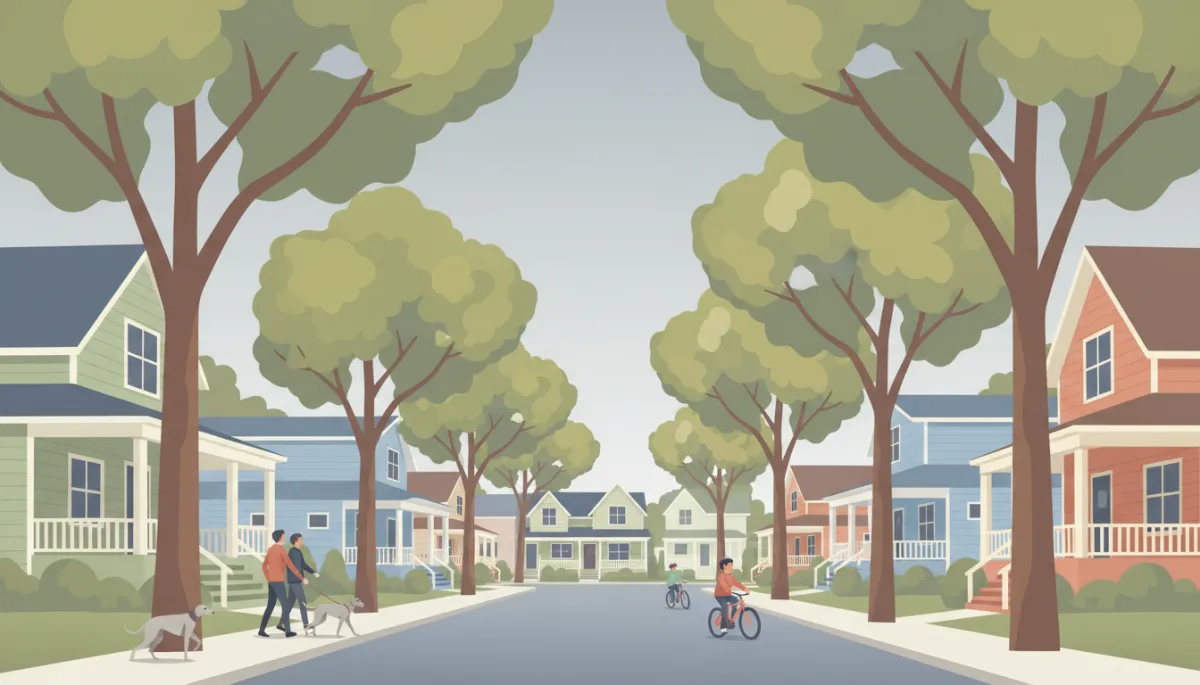
Many Olympia neighborhoods blend historic homes, walkability, and a laid-back community feel.
Schools are a major plus for families considering Olympia WA living. The Olympia School District is frequently rated among the best in the region, with Olympia High School often appearing on lists of top public high schools in Washington State. Combined with abundant parks, playgrounds, and family programs, it’s easy to see why Olympia ranks highly for raising kids—even if your teenagers may wish for more nightlife and big-city entertainment.
Best Neighborhoods in Olympia: Where to Start Your Search
One of the most important parts of any Olympia community review is understanding how different neighborhoods feel on the ground. The best neighborhoods in Olympia vary widely in character, price point, and proximity to water or downtown. Here are some of the standouts to explore in 2026.
South Capitol and Downtown: Historic, Walkable, and Civic
Just south of the Capitol Campus, South Capitol is one of Olympia’s most charming and coveted neighborhoods. Think tree-lined streets, craftsman bungalows, and early 20th‑century homes with deep porches and character details. Prices typically range from about $425,000 to $625,000, reflecting its historic appeal and walkability. This area is especially popular with government professionals, long‑time locals, and families who want to walk to work, parks, and downtown events.
Downtown itself is more mixed in terms of housing—apartments over storefronts, small condos, and nearby older homes—but it’s the cultural heart of Olympia. If you want to step out your door and be minutes from theaters, galleries, the Farmers Market, and waterfront paths, this is where to look. Just be prepared for more activity, occasional late‑night noise, and limited off‑street parking.
Eastside & East Bay Drive: Water Views and Eclectic Charm
On the other side of downtown, the Eastside and East Bay Drive areas offer a blend of older homes, smaller lots, and coveted access to the waterfront. Many streets here have views over Budd Inlet, and residents can walk or bike to Percival Landing, the farmers market, and downtown restaurants. Home prices typically range from around $375,000 to $550,000, with premiums for the best water views. If you want Olympia WA living that feels a bit bohemian and very connected to the bay, this is a great starting point.
West Olympia & Cooper Point: Suburban Space and Convenience
West Olympia, sometimes simply called the Westside, appeals to those who want more space, newer construction, and quick access to big-box shopping and services. Here you’ll find subdivisions, cul‑de‑sacs, and larger lots, often at prices between $375,000 and $475,000. Cooper Point, a peninsula extending into Puget Sound, combines a peaceful, semi‑rural feel with views and access to nature, with median home values around $450,000. Families and commuters often gravitate here for the balance of practicality and greenery.
Northeast, Southeast, and Nearby Tumwater: Quiet, Views, and Newer Builds
Northeast Olympia, including the Bigelow area and Bigelow Highlands, sits on a hill overlooking Budd Inlet. It’s known for quieter streets, established homes, and scenic views, with prices often between $350,000 and $475,000. These pockets consistently score well on livability indexes and are popular with long‑term residents who prefer understated neighborhoods over trendier hubs.
Southeast Olympia includes neighborhoods around the Indian Summer golf course, where you’ll find newer homes and planned communities, often around the mid‑$400,000s. Just to the south, Tumwater Hill (technically in neighboring Tumwater) offers newer housing, strong commuter access to I‑5, and parks like Tumwater Falls. Prices here typically run from $400,000 to $500,000, making it a practical choice for buyers who want easy freeway access and a short drive to Olympia’s core.
So, Is Olympia WA a Good Place to Live?
Whether Olympia is a good place to live ultimately depends on what you value most. If your priority is a high‑energy nightlife, a huge job market outside government and healthcare, or endless sunshine, Olympia may feel too small, too gray, or too sleepy. You may be happier in Seattle, Tacoma, or even Portland, accepting higher prices in exchange for more buzz.
But if you’re drawn to a slower pace, strong sense of community, and easy access to forests, bays, and mountains, Olympia WA living has a lot going for it. The cost of living is undeniably above the national average, yet still reasonable for the Puget Sound region, especially when you factor in Washington’s lack of state income tax. Schools are strong, safety and environmental quality are solid, and the city invests seriously in climate resilience and thoughtful development.
For many residents, the combination of moderate size, creative culture, and proximity to nature outweighs the higher housing prices and gray skies. If that balance sounds right for you—and the Cost Of Living in Olympia fits your budget—this small capital city can be a deeply rewarding place to call home.